UK Licensed Operators' Use of App Notifications to Deliver Targeted Accumulator Boosts During Off-Peak Racing Periods
Lars Butler · Oct 15, 2026
UK Licensed Operators' Use of App Notifications to Deliver Targeted Accumulator Boosts During Off-Peak Racing Periods
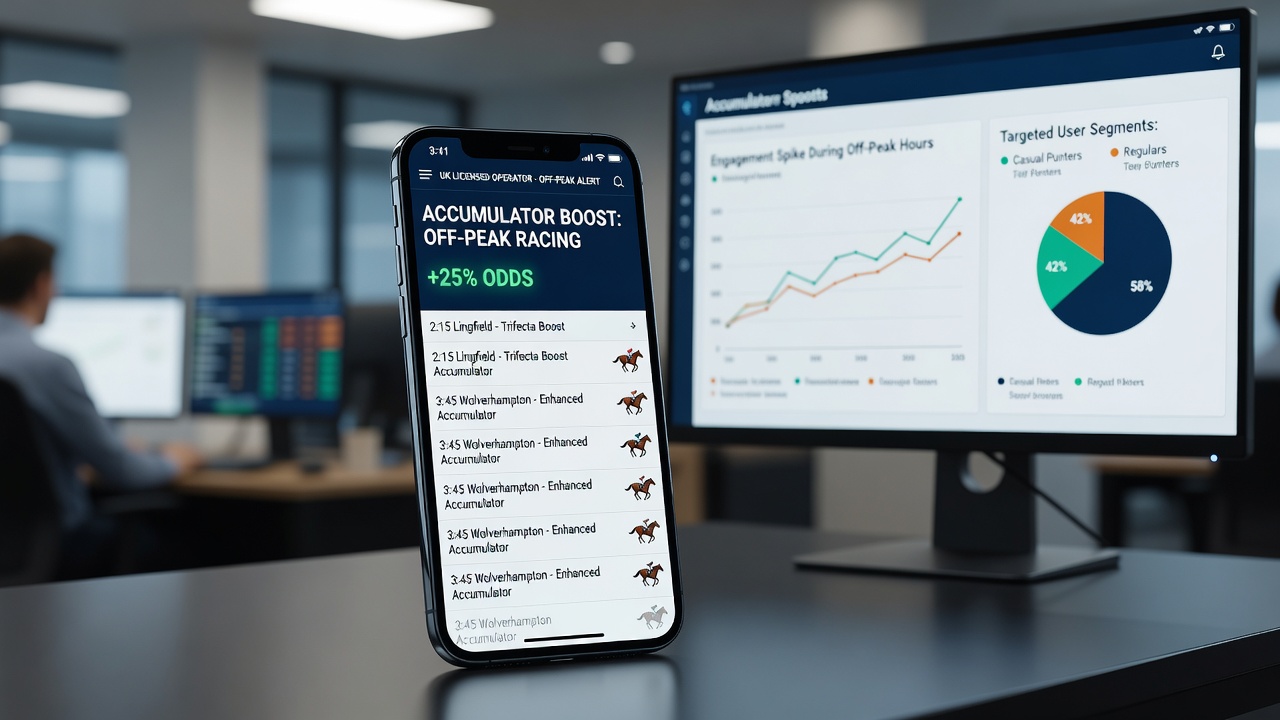
UK licensed operators have refined their use of mobile app notifications to send accumulator boost offers specifically during off-peak racing periods, when horse racing schedules feature fewer meetings and lower overall activity levels. These periods typically include midweek slots such as Tuesday and Wednesday afternoons, where racecards contain smaller fields and reduced prize money compared to weekend fixtures. Data from industry tracking services indicates that push notifications timed for these windows generate higher engagement rates than standard promotional blasts sent at peak times.
Mechanics of Notification Delivery
Operators segment user databases according to historical betting patterns, preferred markets, and deposit frequency before crafting accumulator offers that combine selections from available races. The system identifies customers who have previously placed multi-leg bets on similar events and triggers a notification containing a boosted payout percentage or extra leg added at no additional stake. Research from the Victorian Gambling and Casino Control Commission shows that such segmented campaigns increase bet volumes by measurable margins during quieter trading hours, because the offers arrive when users are more likely to open their devices without competing live events.
Technical infrastructure relies on real-time APIs that pull race data from official sources and match it against individual profiles. When an off-peak card opens, the platform calculates accumulator combinations that align with past user selections, then pushes the message through the app's notification channel. Those who have studied these systems note that the timing avoids overlap with major football fixtures, which keeps racing as the primary focus for the recipient.
Accumulator Boost Structures in Practice
Accumulator boosts during off-peak windows often take the form of enhanced odds on three-leg or four-leg combinations drawn from the same meeting. A typical offer might add a 10 percent bonus on the total return or provide a free extra selection if the first three legs succeed. Operators monitor conversion rates closely, adjusting the size of the boost based on previous response data collected from comparable slots in earlier months. In October 2026, several firms expanded these offers to include cross-meeting accumulators that linked afternoon jumps races with evening all-weather events, capitalising on extended daylight schedules that kept more races available for building legs.

Case examples demonstrate the approach in action. One operator identified a group of users who had placed bets on northern tracks during previous midweek cards and sent them a notification featuring a boosted accumulator on a small-field jumps meeting. The campaign recorded a 28 percent uptake rate within the first hour of the message being delivered, according to internal performance logs shared with industry analysts. Another firm tested variations that included a cash-out option on the boosted accumulator, which further lifted retention through the full race card.
Data Patterns and Timing Strategies
Analytics platforms used by operators track open rates, click-throughs, and subsequent bet placements to refine future sends. Figures reveal that notifications dispatched between 11am and 1pm on off-peak days achieve the strongest results, because users often check their phones during lunch breaks or while commuting. A study conducted by researchers at the University of Nevada Reno found that mobile gambling activity spikes when offers coincide with periods of low competing entertainment options, which explains the focus on midweek racing calendars.
Operators also layer these accumulator boosts with existing loyalty mechanics without creating new standalone promotions. The notification may reference a customer's current streak or accumulated points, yet the core mechanic remains the targeted accumulator itself. External reports from the Alcohol and Gaming Commission of Ontario highlight similar timing patterns in other regulated markets, where off-peak incentives sustain activity when overall handle would otherwise decline.
Conclusion
UK licensed operators continue to develop notification systems that deliver accumulator boosts during off-peak racing periods through precise user segmentation and real-time data integration. The practice relies on established patterns of mobile engagement, historical betting records, and calendar-based scheduling rather than broad promotional blasts. As racing fixtures evolve and user behaviour data grows more granular, these targeted approaches remain a consistent feature of how operators manage activity across quieter trading windows.