How British Regulated Operators Time Multi-Layered Incentives to Sustain Activity Across Football and Racing Seasons
Sage Schmitt · Sep 17, 2026
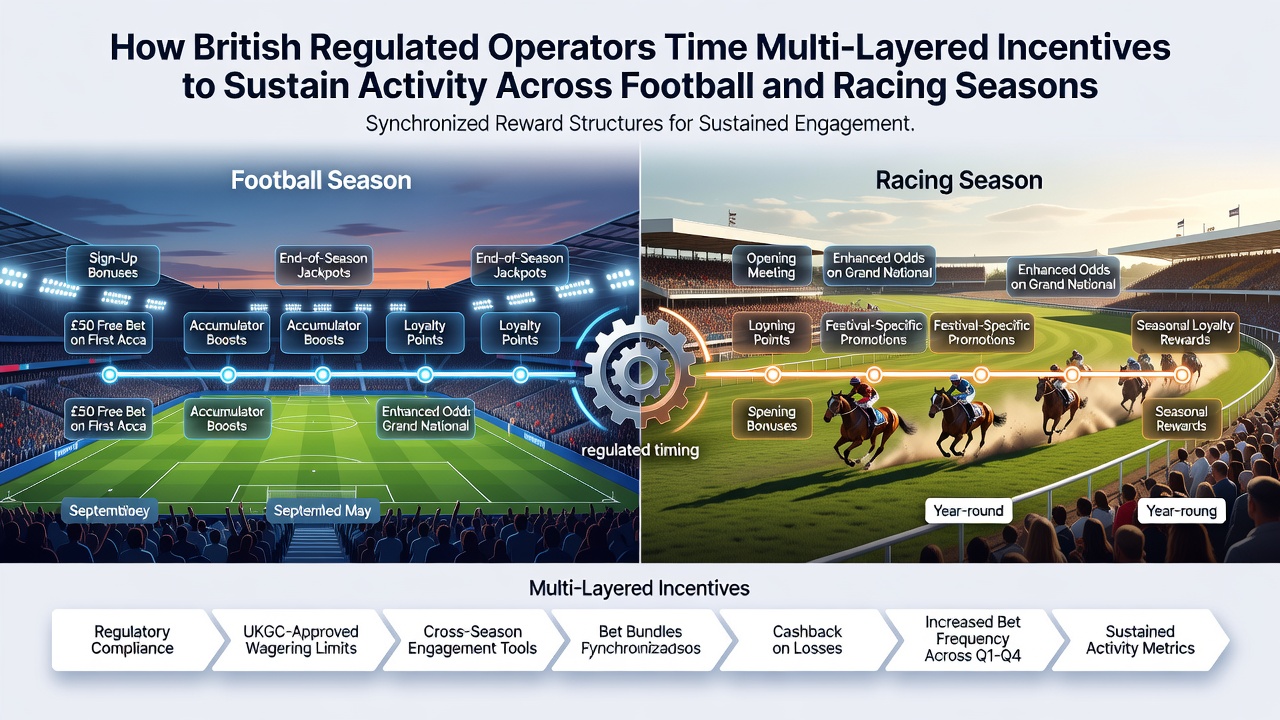
How British Regulated Operators Time Multi-Layered Incentives to Sustain Activity Across Football and Racing Seasons
Operators in Britain's regulated betting sector coordinate multi-layered incentive structures with precision, aligning promotions across football and racing calendars to maintain steady participation levels year-round. These approaches rely on data analysis of fixture schedules, historical betting volumes, and customer behavior patterns that shift between the two sports.
Seasonal Calendar Coordination
Football seasons typically run from August through May, while horse racing events occur throughout the calendar year with concentrated activity during spring, summer, and autumn festivals. Regulated firms map these timelines together so that incentives launched for one sport can transition smoothly into offerings for the other. During September 2026, for instance, operators prepare layered campaigns that bridge the start of the new football campaign with ongoing flat racing fixtures at tracks like Ascot and York.
Planning begins several months earlier when analysts review fixture lists released by governing bodies and identify overlap periods where engagement might otherwise drop. They then structure promotions that activate sequentially rather than simultaneously, creating a continuous flow of offers that adapt to changing market conditions.
Multi-Layered Incentive Structures
Modern incentive systems combine several components that activate at different stages of customer interaction. Initial layers often include deposit matches tied to specific events, followed by cashback programs that apply across multiple bets placed over a defined period. Additional tiers incorporate loyalty points that accumulate from both football and racing wagers, unlocking tiered rewards at predetermined thresholds.
Operators segment these layers according to customer tenure and activity history, ensuring newer participants receive simpler entry offers while longer-term users encounter more complex reward pathways. Data from industry reports indicates that such segmentation increases retention metrics across seasonal transitions, and firms adjust parameters quarterly based on performance tracking.
Timing Mechanisms Across Markets
Timing plays a central role in sustaining activity because operators stagger release dates to coincide with major fixtures while filling gaps between high-profile events. For example, a football accumulator promotion might launch midweek ahead of weekend matches, then give way to enhanced place terms for upcoming racing meetings scheduled the following week. This sequencing prevents offer fatigue and keeps promotional calendars dynamic.
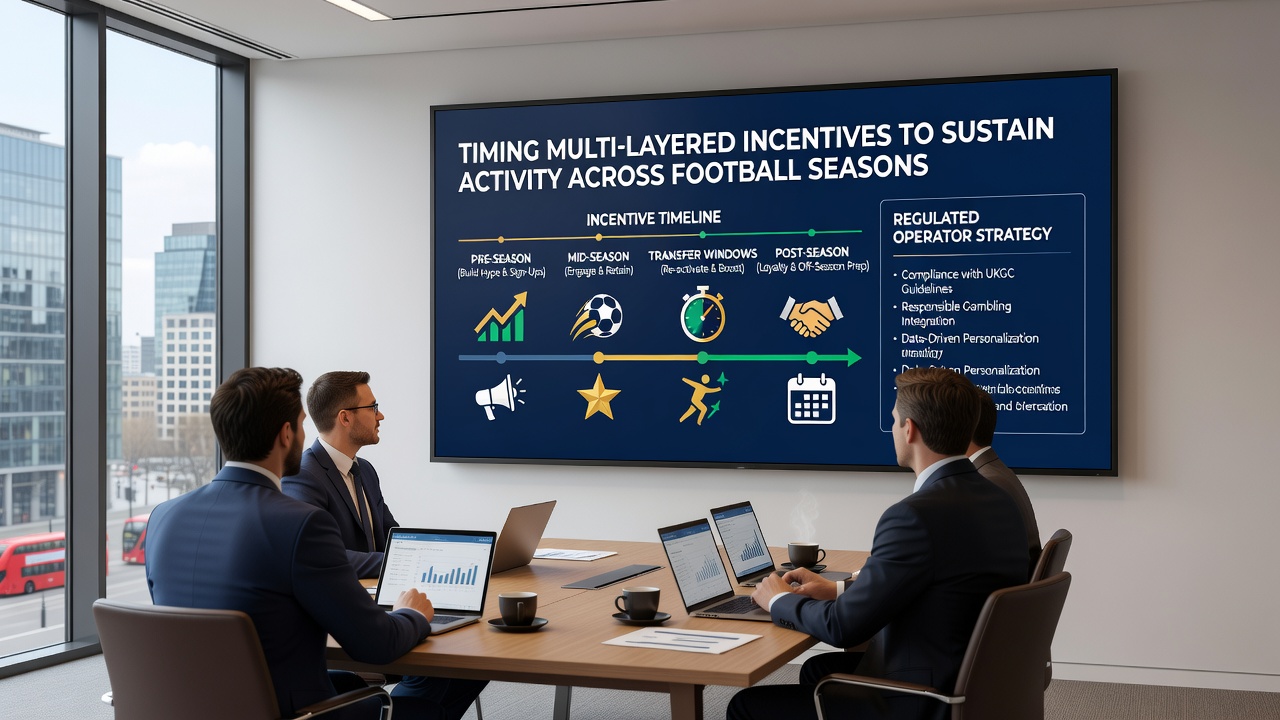
Research published by the Victorian Responsible Gambling Foundation highlights how staggered incentive delivery correlates with steadier participation rates in markets that feature both team sports and racing. British operators apply similar principles when they align cashback windows with the conclusion of one racing festival and the opening of another football competition round. The approach allows systems to reset thresholds automatically, maintaining relevance without requiring constant manual intervention.
Regulatory and Operational Considerations
Firms operating under British licensing must ensure all timed incentives comply with advertising standards and responsible gambling requirements throughout the year. Compliance teams review campaign schedules to confirm that promotional language remains consistent across layers and that spending limits apply uniformly regardless of sport. This oversight extends to affiliate partnerships that promote specific offers during peak periods.
Operational teams use automated platforms to trigger incentives based on real-time data feeds from both football leagues and racing authorities. These systems monitor betting volumes and adjust offer parameters mid-campaign when necessary, ensuring that multi-layered structures remain balanced even as external factors such as weather disruptions or fixture postponements occur.
Cross-Sport Engagement Patterns
Customer data reveals that participants who engage with both football and racing tend to maintain higher overall activity when incentives bridge the two markets effectively. Operators therefore design crossover elements such as bonus funds that carry over from one sport to the other, or loyalty schemes that award points based on combined spend across categories. These mechanisms reduce the likelihood of seasonal drop-off and support consistent platform usage.
Reports from the Responsible Gambling Council in Canada note similar patterns in jurisdictions where multiple sports betting products operate under unified regulatory frameworks. British operators reference such comparative insights when refining their own timing strategies for the domestic market.
Conclusion
Regulated operators in Britain sustain activity across football and racing seasons through carefully sequenced, multi-layered incentive systems that respond to calendar patterns and customer behavior data. These structures incorporate deposit matches, cashback tiers, loyalty accumulation, and crossover rewards that activate at strategic intervals. As the 2026-2027 football season begins in September 2026, operators continue refining these approaches to align with evolving fixture schedules and regulatory expectations while maintaining engagement across both sports.