Great Britain Gambling Market Reports £17.5 Billion GGY in Latest Annual Release
Sage Schmitt · Oct 1, 2026

Great Britain Gambling Market Reports £17.5 Billion GGY in Latest Annual Release
The UK Gambling Commission released its annual industry statistics covering the financial year from April 2025 to March 2026, and those figures show Great Britain’s customer-facing gambling sector produced £17.5 billion in gross gambling yield, which marks a 4.4% rise compared with the previous period. Observers note this total includes every regulated operator across remote and land-based channels, while the data continues to separate lottery contributions from the rest of the market.
Excluding lotteries the industry reached £13.2 billion, an increase of 4.7%, and that growth came largely from remote casino, betting and bingo operations that together delivered £8.3 billion, up 6.9% on the year before. Within that remote total, online casino and slots generated £5.7 billion, of which slots alone accounted for £4.8 billion, according to the published breakdown.
Remote Betting Shows Contraction Amid Broader Gains
Remote betting yield fell 6.6% to £2.45 billion, a decline that stands out against the expansion recorded in casino and slots products. Analysts tracking the sector point out that the drop occurred while overall remote gambling continued its upward trajectory, suggesting shifts in player preferences rather than a general slowdown. The statistics, published on 17 September 2026, provide the clearest picture yet of how different verticals performed through the twelve-month window ending March 2026.
Land-Based Operators Record Modest Expansion
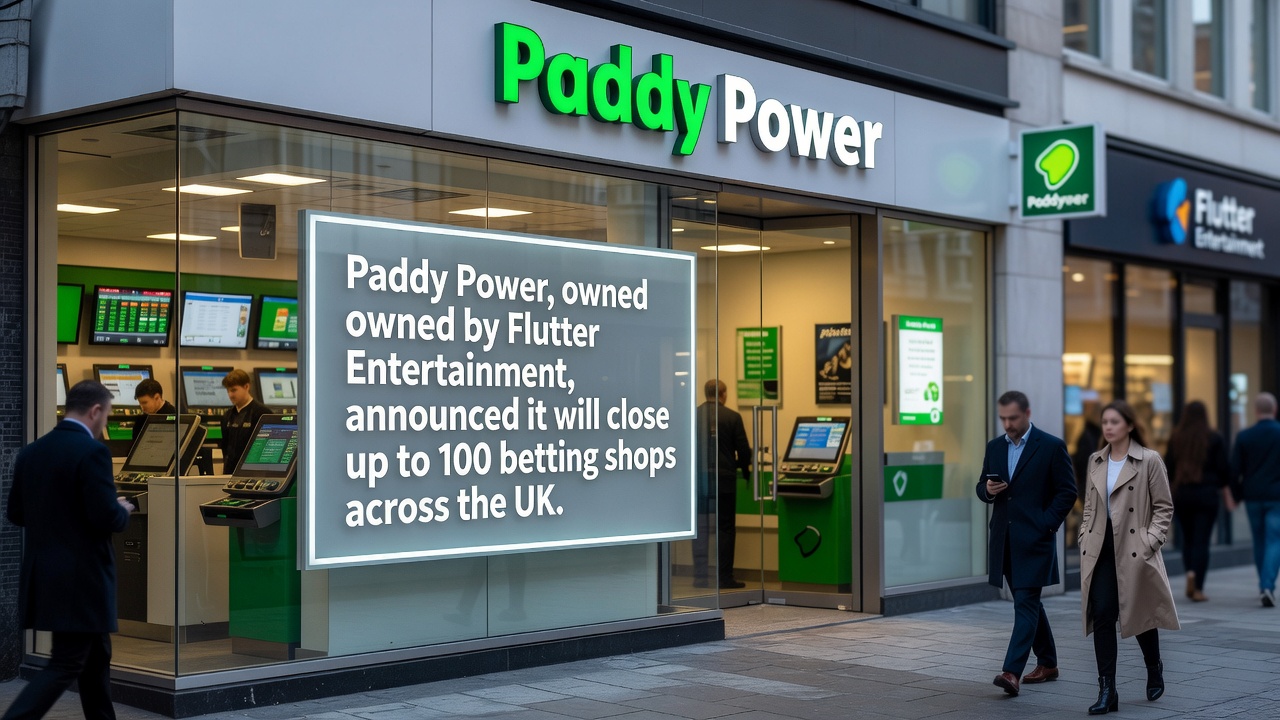
Land-based gambling posted a more measured 1.1% increase in gross gambling yield, yet the number of betting shops operating across Great Britain dropped 3.6% to 5,617. Those who monitor retail trends note that the reduction in premises numbers has been steady for several years, even as total yield edges higher, which indicates efficiency gains at remaining locations. The October 2026 landscape therefore reflects both consolidation on the high street and continued digital momentum.
Key Drivers Behind the Year’s Results
Data from the annual industry statistics highlights how remote casino and slots products propelled the headline growth figures, while remote betting faced headwinds. The same release shows that land-based venues maintained stability despite fewer shops, a pattern that has repeated across recent reporting cycles. Figures reveal the overall customer-facing market expanded by 4.4% to £17.5 billion, and excluding lotteries the rise reached 4.7% to £13.2 billion.
Those who have followed earlier releases will recognise the continued divergence between online casino activity and traditional betting channels, with slots emerging as the single largest remote contributor at £4.8 billion. The 6.9% uplift in remote casino, betting and bingo combined demonstrates sustained demand, even as betting-specific yield contracted 6.6%. Land-based growth remained positive at 1.1%, although the 3.6% reduction in betting shop numbers to 5,617 illustrates ongoing structural change.
Context for October 2026
By October 2026 the newly released numbers serve as the most recent benchmark for regulators, operators and researchers examining market direction. The statistics cover activity through March 2026, so they capture the full financial year before any subsequent policy adjustments or seasonal influences took effect. Industry participants continue to reference these totals when assessing performance across both digital and retail environments.
Conclusion
The UK Gambling Commission’s annual release therefore documents a market that grew to £17.5 billion in gross gambling yield while displaying clear differences between product categories. Remote casino and slots led the expansion, remote betting recorded a decline, and land-based operations posted modest gains alongside further shop closures. The data, drawn directly from the official statistics covering April 2025 to March 2026, offers a factual baseline for anyone evaluating the current state of Great Britain’s regulated gambling sector.